Urban Wildlife & BearSmart

Urban Wildlife & BearSmart

If urban wildlife is attracted to your property there are actions you can take to remove food and habitat attractants.  

Decks, porches and other raised structures with space underneath can be tempting hiding places and dens for wildlife. To prevent wildlife from making themselves at home, cover gaps and entrances with durable wire mesh, and make sure sheds and other structures are closed off.  

Urban wildlife can be tempted into human habitat when they detect easy food sources left out by humans. You can minimize the risk of urban wildlife encounters by managing food sources: 

  • Put out garbage the morning of collection day. 

  • Store garbage bins indoors, or clean them regularly. 

  • Make sure garbage bins are not overfilled so lids can shut 

  • Store all pet food in your home – do not leave it outside or in a shed 

  • Clean your barbecue after every use. 

  • Collect fruit from trees and gardens quickly, or pick fruit before it ripens. 

  • Keep meat, fish and oils out of your compost heap. 
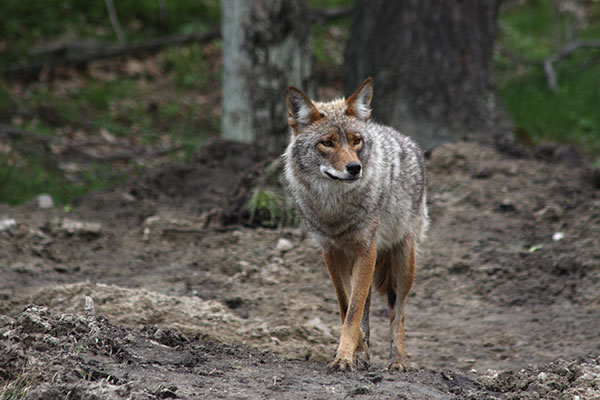
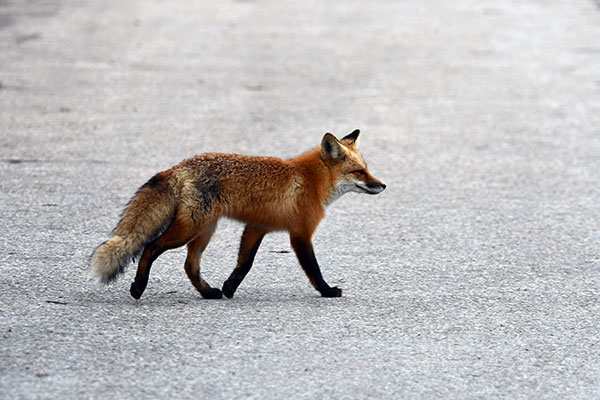
If you encounter a wild animal (such as a fox or coyote) that is being aggressive, or is injured, call the 24/7 Report-A-Poacher hotline at 1-800-642-3800. 

BearSmart

Learn more about Bear-Resistant Garbage Bins

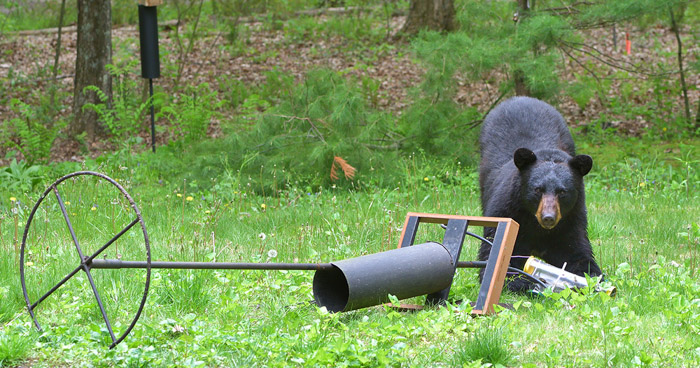
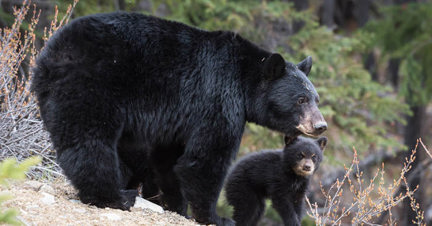
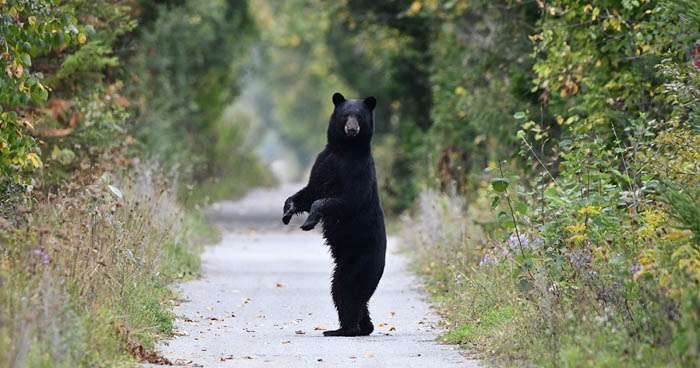
Black bears are a common sight in Wood Buffalo, so it is important to stay prepared and be aware of important BearSmart practices. Alberta’s BearSmart program is a public awareness program that educates Albertans on bear behaviour and how to prevent and respond appropriately to bear encounters.

If you see a bear on a neighbourhood street, in a park or anywhere in the Urban Service Area and it is not an emergency, report the sighting to Alberta Fish and Wildlife at 780-743-7200. If the non-emergency sighting is after business hours, please call the Report A Poacher hotline at 1-800-642-3800. 

In an emergency situation, residents should always call 9-1-1 for assistance

Wood Buffalo’s bear population

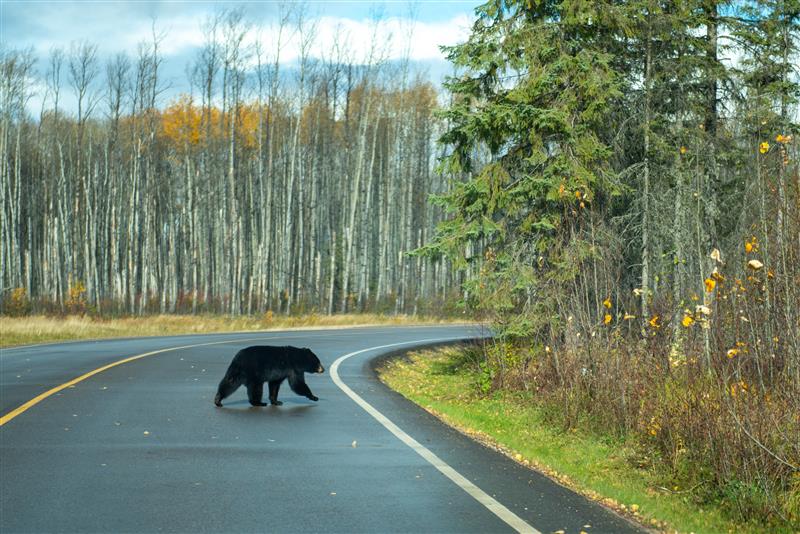
Bears are a fact of life in the boreal forest. Alberta is home to an estimated 40,000 black bears and 700 grizzly bears. Black bears are widespread throughout the province and are a natural part of Wood Buffalo’s forest ecosystem.  Grizzly bears are not normally found in Wood Buffalo.

Bears are very food-motivated and are most likely to enter human-inhabited areas when looking for food. As Alberta’s BearSmart Guide says:

In the spring, summer and fall bears need to eat enough to survive winter, when they spend between four and six months in their dens. Bears can consume up to 25,000 calories a day. Most of their diet is actually low in calories—the natural diet of a bear is 85 to 90 per cent plants and berries and 10 to 15 per cent insects and mammals. This means they must eat a lot, and often.

Alberta Bearsmart Guide

Read the Alberta BearSmart Guide for more best practices on how to handle bear encounters and bear behaviour.

If you see a bear on a neighbourhood street, in a park or anywhere in your community and it is not an emergency, report the sighting to Alberta Fish and Wildlife at 780-743-7200. If the non-emergency sighting is after business hours, please call the Report A Poacher hotline at 1-800-642-3800

When you see a bear the most important things to remember are:

  • Do not run.
  • Do not turn your back to the bear.
  • Stay close to the people you are with.
  • Watch the bear and respond to what it is doing.
  • Never offer the bear food.
  • Ready your bearspray, and use it if the bear gets too close.
  • Back up slowly in a safe direction (usually the way you came).

In an emergency situation, residents should always call 9-1-1 for assistance

BearSmart at Home

Bears venture into human habitat most often when they detect easy food sources left out by humans. If you live near a forested area or tree line, minimize the risk of bear encounters by managing food sources:

  • Put out garbage the morning of collection day.
  • Store garbage cans indoors, or clean them regularly.
  • Clean your barbecue after every use.
  • Collect fruit from trees and gardens quickly, or pick fruit before it ripens.
  • Keep meat, fish and oils out of your compost heap.
  • Do not put out bird feeders from April to October.

Without tempting snacks and smells, bears have less reason to wander into your backyard. They will not become habituated to an area if they do not find a food reward.

Contact Us

PULSE
Submit a request

Phone780-743-7000
Toll free1-800-973-9663

Subscribe for RMWB updates

Stay up to date on the services, programs and projects in your neighbourhood!